Hải Phòng City makes strides on innovation map

10/10/2026
In implementing Politburo Resolution No. 57-NQ/TW dated December 22, 2024, on breakthroughs in science, technology, innovation and national digital transformation, Hải Phòng City has identified science, technology and innovation as important drivers of its new growth model.
Sci-tech blueprint to unleash Mekong Delta growth
10/10/2026
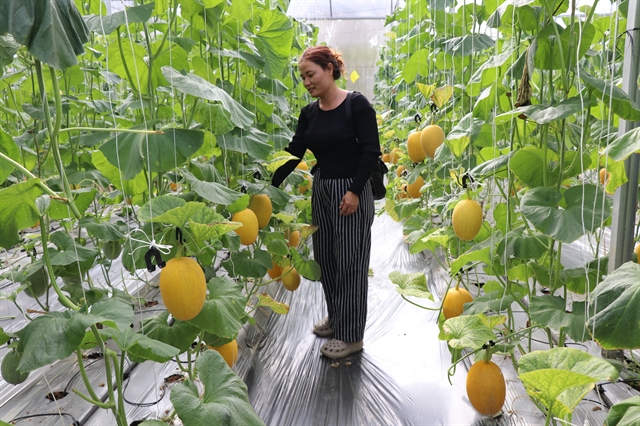
A landmark special project leveraging Resolution 57 is set to dismantle institutional bottlenecks and deploy regulatory sandboxes, shifting Việt Nam's primary agricultural hub toward sustainable, double-digit growth.

Project to build big-data legal database approved
10/10/2026
From 2028 to 2030, the project aims to complete the development of a centralised legal data repository, integrating 100 per cent of legal data sources from ministries, agencies and localities. It will also establish a National Legal Knowledge Graph to support smart search, analysis and data use, as well as digital applications for lawmaking and law enforcement.
Việt Nam launches national generative AI competition for university students
03/10/2026
Việt Nam National University, Hà Nội (VNU) and Google have launched "AI Arena: Việt Nam 2026," a national competition designed to help university students develop generative artificial intelligence (AI) skills and build solutions to real-world problems.

Domestic AI allowed to undergo testing in legal sandbox
03/10/2026
If a Vietnamese generative AI system meets all the required conditions, it can participate in testing within a defined legal framework and benefit from legal protection during the testing process.
Assessment criteria for National Digital Architecture Framework to be set up
03/10/2026
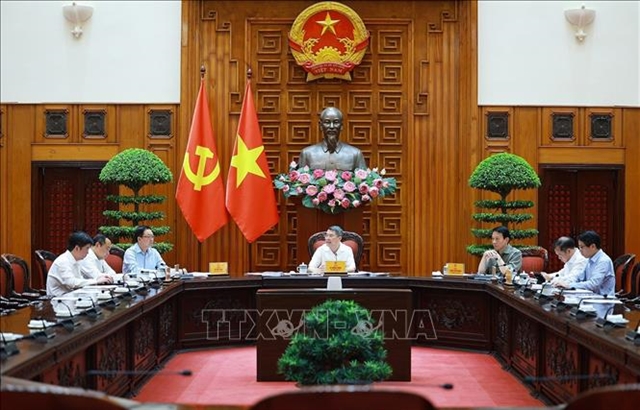
The planned implementation activities include setting up support channels for all agencies responsible for the frameworks within the political system, providing daily guidance and coordination to address difficulties arising during the development of the respective frameworks.
Free cancer screening programme benefits more than 2,000 disadvantaged and ethnic minority women
26/09/2026
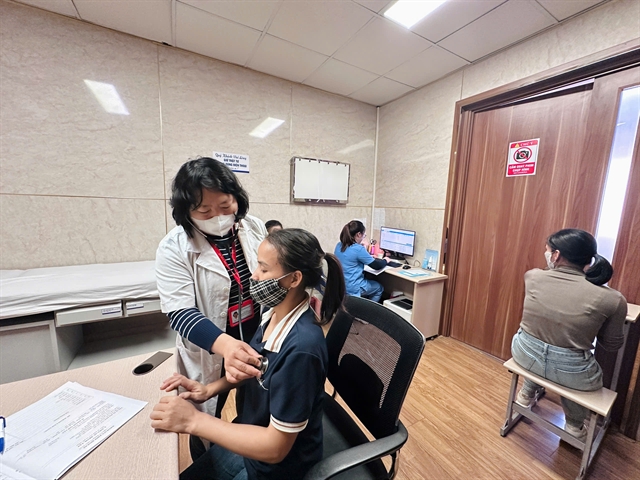
The “Tap to Share, Give Hope”, an annual social welfare programme, plans to provide 2,010 free cancer screenings to disadvantaged women and ethnic minorities in border communes and underserved regions.
HCM City backs development of world-class research centres
26/09/2026
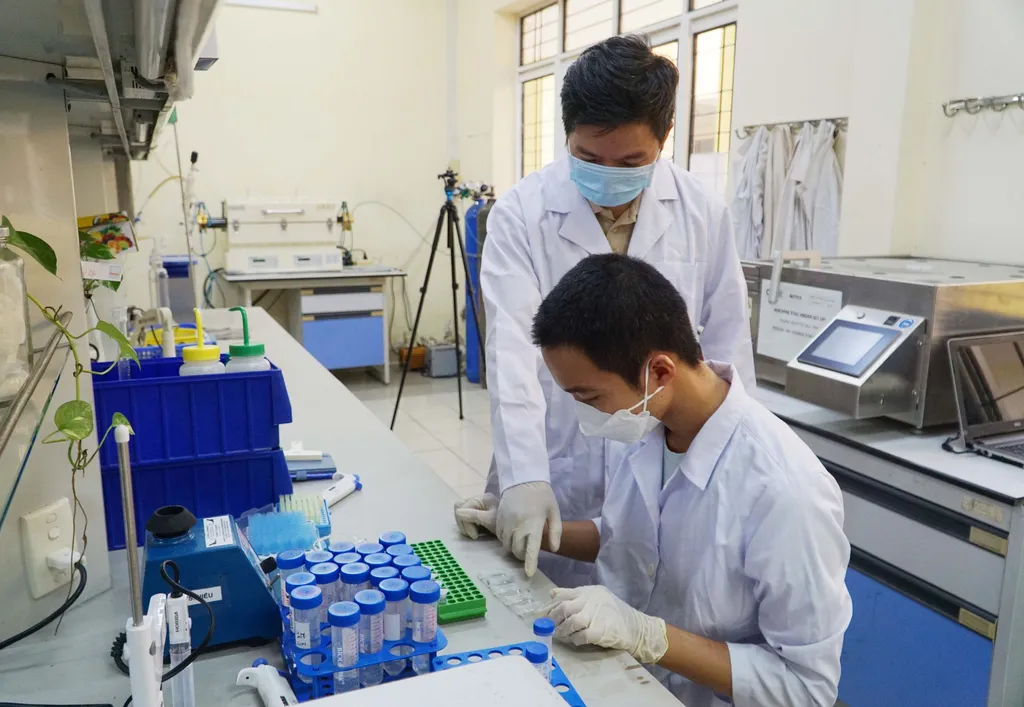
The Institute for Advanced Materials Technology at Việt Nam National University, HCM City, has had its Centre of Excellence (CoE) proposal approved, with the aim of becoming an internationally recognised centre for advanced materials research.
NA President visits child patients in HCM City on Mid-Autumn Festival
26/09/2026
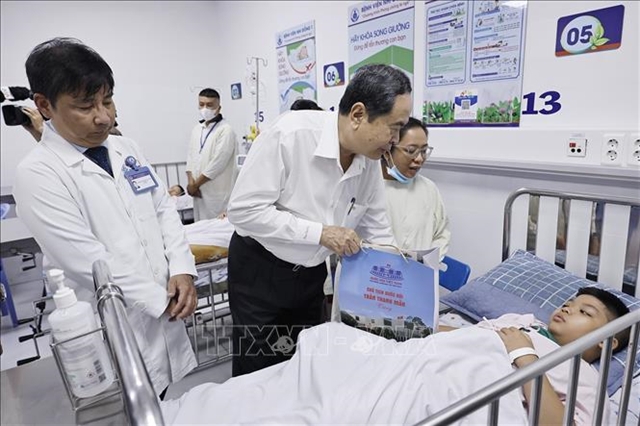
National Assembly President Trần Thanh Mẫn on Friday presented gifts from General Secretary of the Communist Party of Vietnam Central Committee and President Tô Lâm and 100 gift packages to child patients, particularly those from disadvantaged backgrounds, who are under treatment at Children’s Hospital 1 in HCM City on the occasion of the 2026 Mid-Autumn Festival.
Digital transformation widens market reach for Vietnamese goods
19/09/2026
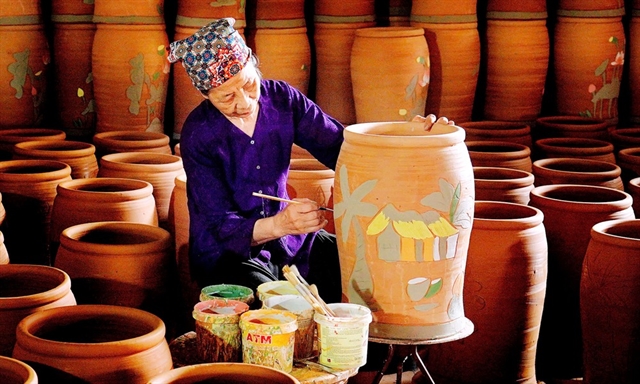
E-commerce and livestreaming are reshaping how Vietnamese craft villages, co-operatives and businesses connect with consumers, cutting distances between producer and buyer without eroding traditional values.

Ministry of Science and Technology to harness digital tools in child protection drive
19/09/2026
A new national plan covering 2026–30 sets ambitious targets for child safety, with the Ministry of Science and Technology taking the lead on digital transformation, data sharing and public education to protect children across Việt Nam.
Vĩnh Long targets top 10 entry this year into national innovation index
19/09/2026
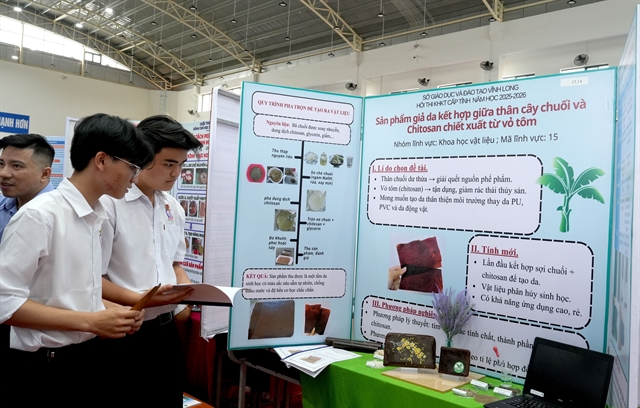
Vĩnh Long Province is stepping up efforts to improve its Provincial Innovation Index ranking, and hopes to be top 10 provinces and cities this year itself.